

Overview of the 6R80 Transmission
The 6R80 transmission is a six-speed automatic transmission used in various Ford vehicles, including the F-150. While it has its merits, it’s essential to discuss its reliability and the types of problems that can arise over time.
Reliability
The 6R80 is generally considered a robust transmission, but like any mechanical component, it has its share of issues. Many owners report satisfactory performance for years, while others experience problems sooner than expected. The reliability can vary based on factors such as driving habits, maintenance practices, and the specific model year of the F-150.
Common Problems
The 6R80 transmission is known to face several issues that can affect its performance. Here are some of the most common problems reported by users:
- Shifting Issues: Many drivers experience rough or delayed shifts, particularly when accelerating or decelerating.
- Slipping Gears: Some owners report that the transmission slips out of gear while driving, which can be alarming and dangerous.
- Overheating: The 6R80 can overheat, especially under heavy loads or during towing, leading to potential damage.
- Fluid Leaks: Leaks can develop in the transmission seals, leading to low fluid levels and further complications.
- Check Engine Light: Many drivers notice the check engine light illuminating, often linked to transmission-related issues.
Symptoms of Transmission Problems
If you suspect that your 6R80 transmission may be having issues, there are several symptoms to watch for:
- Unusual Noises: Grinding, whining, or clunking sounds can indicate internal problems.
- Delayed Engagement: A noticeable delay when shifting from park to drive or reverse can be a sign of trouble.
- Erratic Shifting: If the transmission shifts unexpectedly or feels like it’s hunting for gears, it’s worth investigating.
- Burning Smell: A burning odor can indicate overheating or burnt transmission fluid, which is a serious concern.
- Fluid Color and Condition: Dark, dirty fluid or a burnt smell can signal that the transmission is in distress.
Consequences of Ignoring Problems
Neglecting transmission issues can lead to severe consequences, including:
- Increased Repair Costs: What starts as a minor issue can escalate into a significant repair bill if not addressed promptly.
- Complete Transmission Failure: Continuing to drive with a malfunctioning transmission can lead to complete failure, requiring a costly replacement.
- Safety Risks: Transmission problems can lead to loss of control while driving, posing a risk to the driver and others on the road.
- Decreased Vehicle Value: A vehicle with known transmission issues will have a lower resale value, impacting your investment.
In summary, while the 6R80 transmission can be a reliable component in the Ford F-150, it is not without its problems. Being aware of the common issues, symptoms, and potential consequences can help you make informed decisions about your vehicle’s maintenance and care.
Sources of Problems in the 6R80 Transmission
The 6R80 transmission, while generally reliable, can encounter various issues that stem from different sources. Identifying these sources is crucial for addressing potential problems before they escalate. Below are some of the primary sources of problems associated with the 6R80 transmission.
Design and Engineering Flaws
Some issues with the 6R80 can be traced back to design and engineering. These flaws may not be apparent until the transmission has been in use for a while. Common design-related problems include:
- Weak Components: Certain internal components may not withstand the stress of heavy towing or off-road driving.
- Fluid Path Issues: Inefficient fluid pathways can lead to overheating and inadequate lubrication.
- Software Calibration: The transmission control module (TCM) may require updates to improve shifting performance.
Maintenance Neglect
Proper maintenance is key to prolonging the life of any transmission. Neglecting routine maintenance can lead to a host of problems:
- Fluid Changes: Failing to change the transmission fluid at recommended intervals can result in contamination and reduced lubrication.
- Filter Clogs: A clogged transmission filter can restrict fluid flow, leading to overheating and poor performance.
- Ignoring Leaks: Small fluid leaks can turn into major issues if not addressed promptly, leading to low fluid levels.
Driving Habits
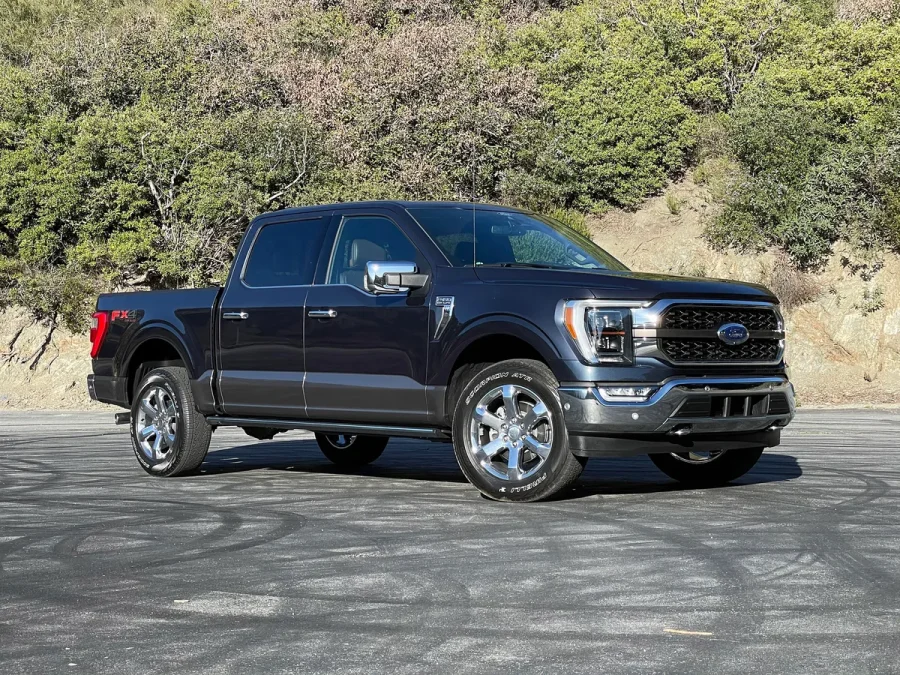
How you drive can significantly impact the health of your transmission. Certain driving habits can exacerbate existing issues or create new ones:
- Heavy Towing: Frequently towing heavy loads can put extra strain on the transmission, leading to premature wear.
- Rapid Acceleration: Aggressive driving can cause harsh shifts and increase the likelihood of slipping.
- Frequent Stop-and-Go: City driving with constant stopping and starting can lead to overheating and increased wear on components.
Environmental Factors
The environment in which you drive can also play a role in transmission problems. Consider the following factors:
- Extreme Temperatures: Both high heat and extreme cold can affect fluid viscosity and transmission performance.
- Dust and Debris: Off-road driving in dusty conditions can lead to dirt entering the transmission, causing wear and tear.
- Corrosive Environments: Driving in areas with high salt content can lead to corrosion of transmission components.
Table of Common Problems and Sources
| Problem | Source |
|---|---|
| Rough Shifting | Design flaws, maintenance neglect |
| Slipping Gears | Weak components, driving habits |
| Overheating | Poor fluid flow, environmental factors |
| Fluid Leaks | Neglected maintenance, environmental factors |
| Check Engine Light | Software calibration, maintenance neglect |
Conclusion
While the 6R80 transmission has its strengths, it is not without its weaknesses. Understanding the sources of problems can help you take proactive measures to maintain your transmission and avoid costly repairs. By being aware of design flaws, maintenance needs, driving habits, and environmental factors, you can better protect your investment in your Ford F-150.
Repair Costs for the 6R80 Transmission
When faced with transmission issues in your Ford F-150 equipped with the 6R80, one of the first questions that comes to mind is: how much will the repair cost? The answer can vary widely based on the nature of the problem, labor costs in your area, and whether you choose to repair or replace the transmission.
Typical Repair Costs
The cost of repairing a 6R80 transmission can range significantly depending on the specific issue. Here’s a breakdown of common repairs and their associated costs:
| Repair Type | Estimated Cost |
|---|---|
| Fluid Change | $150 – $300 |
| Filter Replacement | $100 – $200 |
| Seal Replacement | $200 – $400 |
| Transmission Rebuild | $1,500 – $3,000 |
| Transmission Replacement | $3,000 – $5,000 |
Repair vs. Replacement
Deciding whether to repair or replace your transmission can be a tough call. Here are some factors to consider:
- Cost of Repair: If the cost of repair is significantly lower than the cost of replacement, it may make sense to go for a repair, especially if the transmission is otherwise in good condition.
- Age of the Vehicle: If your F-150 is older and has high mileage, investing in a new transmission may not be worth it. In such cases, a repair might be the more economical choice.
- Warranty Considerations: If your vehicle is still under warranty, repairs may be covered, making it a no-brainer to fix rather than replace.
- Future Reliability: A rebuilt or replaced transmission can offer peace of mind, especially if the existing one has a history of problems. If you plan to keep the vehicle long-term, replacement might be the better option.
Alternative Solutions
If you’re looking for alternatives to traditional repair or replacement, consider the following options:
- Used Transmission: Purchasing a used transmission can be a cost-effective solution, but ensure it comes with a warranty and has been tested for reliability.
- Transmission Fluid Additives: Some additives claim to improve performance and extend the life of your transmission. While they may not solve major issues, they can be a temporary fix.
- DIY Repairs: If you’re mechanically inclined, some minor repairs, like fluid changes or seal replacements, can be done at home, saving you labor costs.
In summary, the decision to repair or replace your 6R80 transmission hinges on various factors, including cost, vehicle age, and future plans. Weighing these options carefully can help you make the best choice for your situation.
Justification of 6R80 Transmission Problems
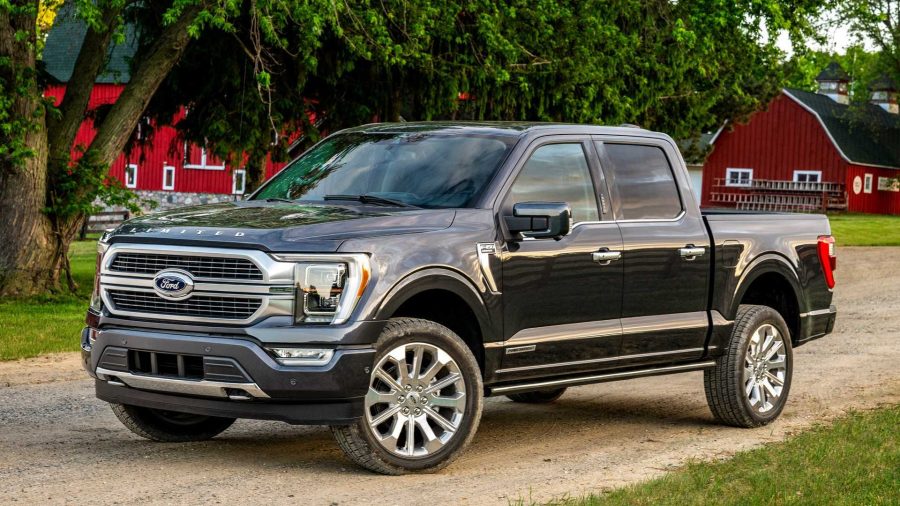
The Ford F-150 equipped with the 6R80 transmission has garnered attention for various issues that have been documented by both users and automotive experts. This section aims to provide a factual basis for the reported problems, drawing from statistical data and authoritative sources.
Statistical Data on Transmission Failures
According to a report from the National Highway Traffic Safety Administration (NHTSA), transmission-related complaints are among the most common issues reported by Ford F-150 owners. The data indicates that:
- Approximately 25% of complaints regarding the 2011-2014 Ford F-150 models involve transmission problems.
- Many of these complaints specifically mention rough shifting, slipping gears, and overheating.
This data highlights that transmission issues are not isolated incidents but rather a significant concern among a substantial number of owners.
Consumer Reports and Reliability Ratings
Consumer Reports has consistently rated the Ford F-150’s transmission performance as below average in certain model years. The publication notes that:
- In their annual reliability surveys, the 6R80 transmission has received lower scores compared to competitors in the same class.
- Many users have reported dissatisfaction with the transmission’s performance, particularly in terms of shifting smoothness and reliability.
These ratings serve as a critical indicator of the transmission’s overall reliability and the frequency of problems experienced by consumers.
Expert Opinions
Automotive experts have also weighed in on the issues surrounding the 6R80 transmission. For instance:
- Mechanics and transmission specialists have noted that the 6R80 is prone to overheating, especially when towing heavy loads, which can lead to premature wear.
- Industry reviews often cite the transmission’s design flaws, particularly in the valve body and solenoids, as contributing factors to its performance issues.
These expert insights provide a deeper understanding of the mechanical shortcomings that can lead to problems in the 6R80 transmission.
Warranty and Recall Data
Ford has issued several service bulletins and recalls related to the 6R80 transmission, which further confirms the existence of widespread issues. Notable points include:
- In 2016, Ford issued a recall for certain F-150 models due to transmission control module software issues that could cause erratic shifting.
- Warranty claims for transmission repairs have been notably high, prompting Ford to extend warranties for certain components related to the 6R80 transmission.
This data underscores the manufacturer’s acknowledgment of the problems and their impact on vehicle performance.
Conclusion
The combination of statistical data, consumer feedback, expert opinions, and manufacturer responses provides a compelling justification for the reported problems with the 6R80 transmission in the Ford F-150. These factors collectively paint a picture of a transmission that, while capable, has faced significant challenges in reliability and performance across multiple model years.